
Global Cosmetics ODM
This article explains the measures, procedures, and documents needed to export cosmetics from the United States to overseas markets. It also introduces ways to keep costs and issues down, along with key points by country.
Exporting cosmetics from the United States involves regulations and procedures that differ from those for domestic sales. Understanding practical export requirements is important, including the role of the FDA, whether export permits are required, and whether information and documents related to ingredients and safety must be submitted. Additionally, preparing the necessary documents to meet the destination country’s requirements can help prevent shipment delays caused by customs clearance issues.
The FDA is the regulatory agency overseeing cosmetic safety and labeling in the United States. Export-related matters are outside the scope of the FDA, and the agency does not make determinations regarding permits or other approvals. However, even for exports, basic requirements such as ingredient safety assessments and INCI labeling must be followed. Moreover, appropriate action is required when the importing country requests a Certificate of Free Sale (CFS).
In most cases, exporting cosmetics from the United States is generally not subject to a government export license requirement. Cosmetics are treated as consumer products, and they can be exported and sold as long as they comply with the importing country’s regulations.
However, products that claim therapeutic, preventive, or diagnostic effects may be considered drugs. The same applies in cases where products fall under OTC drugs, such as acne treatments, antiperspirants, and UV products, as they may also be considered drugs. Products that fall under these categories may be subject to drug regulations, which may require additional export procedures.
In international trade, regardless of the type of product, there are several essential documents required for import and export. For cosmetics, materials that include ingredient information are required in addition to the basic documents. The following are examples of required documents, but additional documents may be required depending on the destination country.
Documents such as INCI and CFS are used by the importing country’s authorities when assessing safety.
When exporting cosmetics, it is more important to understand the destination country’s regulations and rules than those of the United States. Each country establishes its own ingredient standards, labeling conditions, and registration procedures. Failure to comply with regulations or rules creates the risk that sales permits may not be granted or that products may be held at customs.
The reality is that cosmetic regulations and rules differ from country to country. Even products that can be legally sold in the United States may contain ingredients that are banned in other countries or violate labeling regulations. Each country has its own banned and restricted ingredients, and the language and content of labeling also vary. When exporting cosmetics, problems can be prevented by verifying and complying with the destination country’s regulations and rules.
Prohibited and restricted ingredients vary by country. The EU is strict, and ingredients permitted in the United States may still be prohibited in the EU.
U.S. specifications are not acceptable, and labeling in the local language is required. Required information includes INCI ingredients, net contents, responsible party information, and country-of-origin labeling.
The EU and the UK ban data derived from animal testing. China may be exempt under certain conditions, but requirements vary by category.
Procedures vary by country, such as CPNP notification in the EU and NMPA registration in China. Ingredient information must also be submitted.
When exporting cosmetics from the United States, it is important to comply with the destination country’s regulations. Each country has its own product registration system, including rules for cosmetic ingredients, labeling regulations, and the treatment of animal testing. If a product is prepared solely according to U.S. standards, it may be detained at customs. Export regulations differ significantly by country, so it is essential to verify basic points such as prohibited ingredients, labeling requirements, and registration systems.
While air transportation allows for quick delivery, products containing alcohol may be classified as hazardous materials and might not be eligible for air transport. Although maritime transport can reduce costs, significant temperature fluctuations within containers can cause fragrances and emulsion products to deteriorate.
In particular, liquids and creams are susceptible to temperature changes and physical impact, and their quality can be affected by the transportation method. It is important to select an appropriate transportation method and adjust packaging based on the product’s ingredients and properties, as well as the season.
Exporting cosmetics entails multiple costs, including shipping, customs fees, and insurance premiums. In addition, products classified as hazardous materials may incur additional costs. Depending on the destination country, product registration costs may also apply. To prevent unexpected costs, it is necessary to estimate the total amount in advance and secure extra funds.
Forwarders with experience in shipping cosmetics may be well versed in hazardous materials classification and document preparation. This can improve transport stability and optimize costs, helping prevent export-related issues as well.
When selecting a forwarder, verify its track record in handling cosmetics and whether it has knowledge of customs procedures in the destination country. It is also necessary to confirm the forwarder’s level of understanding of INCI and SDS. If the forwarder provides packaging support, suitable packaging can be arranged to match the product and the season.
There are two methods to sell cosmetics in China: general trade and cross-border e-commerce. In the case of general trade, registration with the NMPA is required. In contrast, cross-border e-commerce allows cosmetics to be sold without registration. Although many products are exempt from animal testing, they must meet certain conditions. The page below explains registration with the NMPA and other important considerations when selling cosmetics in China.
Find Your Match
To identify proven private label cosmetic manufacturers, this article examined 115 exhibitors at MakeUp in New York in 2025*, a global trade show where cosmetic trends and technologies from around the world converge. Here, we present a detailed overview of three carefully selected manufacturing partners that operate as full-service turnkey providers, backed by extensive expertise and unique technologies not found elsewhere.
*Source: MakeUp in New York Official Website | As of survey conducted in December 2025 (https://www.makeup-in-newyork.com/en/exhibitors)
JAPAN
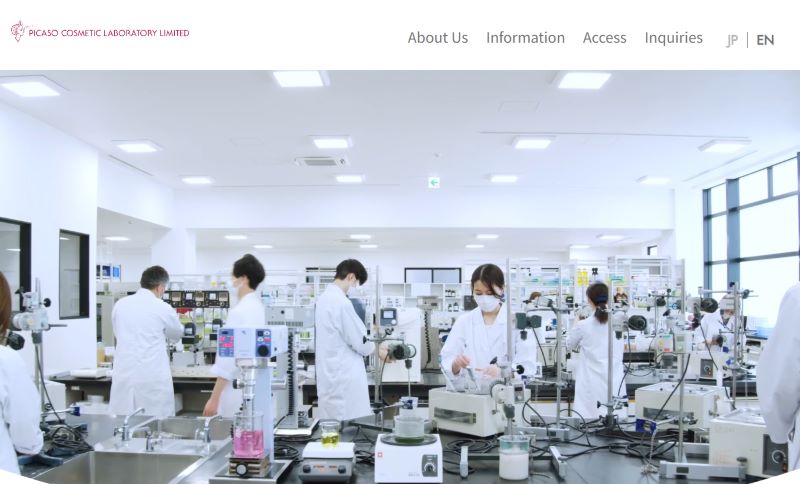
PICASO COSMETIC LABORATORY is a leading Japanese private label cosmetics manufacturer specializing in skincare products. Drawing on 200,000 formulation data points*1 and over 72 patented ingredients*2, PICASO proposes differentiated products focused on the skin-enhancing benefits associated with Japanese brands.
PICASO can develop ingredients derived from uniquely Japanese sustainable upcycled materials, as well as ingredients that leverage materials such as matcha and sake. The company offers end-to-end turnkey services, covering everything from ingredient selection through product storytelling designed with market communication in mind.
SOUTH KOREA
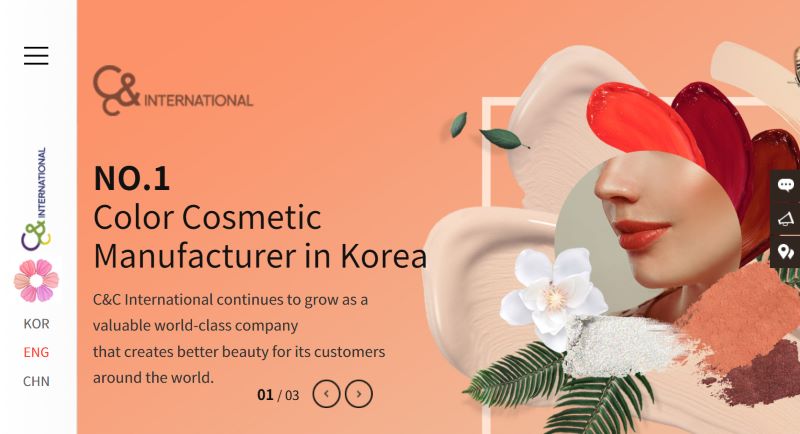
C&C International is a leading Korean cosmetics manufacturer for color cosmetics. The company creates new textures based on data accumulated through its leadership in K-beauty, combined with the development capabilities of its research team. C&C proposes products that anticipate upcoming trends.
Development With a prototyping system and production capability built on accumulated color and texture data, C&C can efficiently develop multi-color variations suited to diverse skin tones, as well as derivative lines featuring different textures.
ITALY
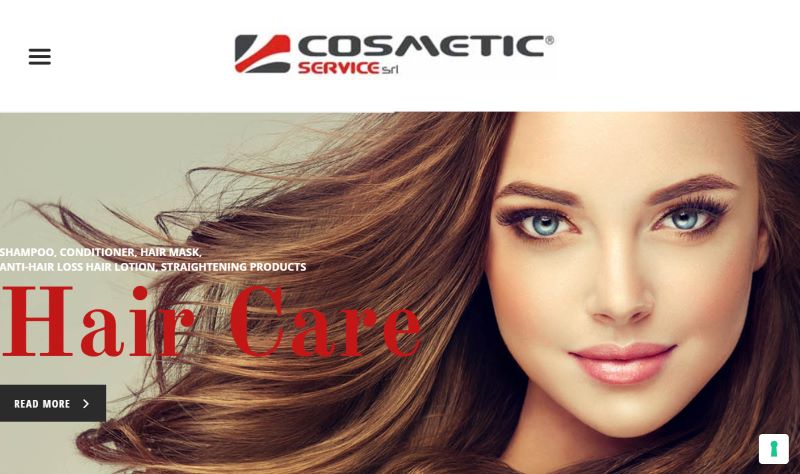
COSMETIC SERVICE is a full-service Italian private label cosmetics manufacturer specializing in hair care development. While meeting Italy’s high standards for organic practices and sustainability, the company designs formulations from the ground up, tailored to specific needs such as scalp care and damage repair.
COSMETIC SERVICE provides integrated support covering everything from container materials and graphic design to fragrance development. By integrating the brand’s world into the product’s appearance, texture, and scent, the company can create a memorable brand experience.