
Global Cosmetics ODM
This page outlines a roadmap for launching a skincare line. It also provides an estimate of the initial costs required for launch, along with an overview of different cosmetic manufacturing methods.
Launching a skincare line requires identifying a target audience and differentiating from competitors. It also requires deciding what types of products to offer and how you plan to sell them.
You should start by defining your target customers. Once you have clarified who you want to reach and what you want to offer, it becomes easier to define your brand and concept. Market research is essential for defining your target customers. You should conduct market research and strive to understand trends and consumer needs.
Once you have identified your target customers, you should also research your competitors. It is important to understand their positioning and identify areas where your brand can stand apart. If you cannot establish meaningful differentiation, there is a risk of being outcompeted even after entering the market. Leverage your strengths, such as technology and ideas.
After researching your competitors, decide what types of products you want to offer. In skincare, options include toners, serums, gels, and more. To ensure that your products appeal to a wide range of users, it is important to consider factors such as formulation type, texture, and user experience.
Once you have decided on the products you want to offer, consult with a manufacturer and begin development. Raw materials and ingredients should be selected in consultation with the manufacturer.
However, be sure to note the minimum order quantity (MOQ). If the initial lot is large, there is a risk of carrying excess inventory. Start by choosing a manufacturer with a low MOQ and then increase production in line with sales.
You should prepare for e-commerce in parallel with product development. There are two main e-commerce options: operating your own website and opening a store on an online marketplace. The former tends to keep operating costs lower, while the latter allows you to benefit from the marketplace’s existing customer traffic.
After product development, implement sales and marketing activities to build brand awareness. The main channels include websites, social media, and paid advertising. Another option is to create a channel on a video platform and promote your products through video content. Choose the channels that best fit your target audience.
The cost to launch a skincare line ranges from $2,500 to $15,000*. These costs can generally be divided into market research expenses and business startup expenses.
As a general guideline, market research costs range from $500 to $5,000*. However, outsourcing research to a research firm could cost more than $5,000*. Business launch costs include statutory expenses such as business planning and trademark registration. Depending on the scale of the skincare line, these costs may range from $2,000 to $10,000*.
Cosmetic manufacturing methods include white labeling, private labeling, and client-specified formulation development. White labeling involves selling finished products under your own brand, while private labeling involves outsourcing formulation development and manufacturing to a manufacturer. Client-specified formulation development refers to a method in which the client determines the ingredients and composition to be used. When choosing a manufacturing method, it is important to make decisions based on factors such as budget and the level of uniqueness you want to achieve.
White labeling is a method of selling an existing finished product under your own brand name. You can begin selling relatively quickly by applying your own brand’s label and logo to a finished product. One advantage is that formulation development and prototyping are unnecessary, which reduces both cost and lead time. This makes it possible to launch a skincare line quickly while keeping costs under control.
Private labeling is a method of developing products with a higher degree of customization. For each product, you decide detailed specifications such as ingredients, formulations, and container design, and then develop and manufacture the product. While development costs tend to be higher than with white labeling, this approach makes it easier to add originality. It is well suited to brands that want to express a clear brand identity or differentiate themselves from competitors.
Client-specified formulation development is a cosmetic development method in which the commissioning party determines specifications such as ingredients and composition. The advantage of this method is that it makes it easier to reflect the brand’s values and worldview while also allowing development know-how to accumulate in-house. Another strength is the high degree of flexibility in development and the ability to respond quickly to trends and consumer needs. However, this method requires expertise in raw materials, ingredients, and regulatory requirements.
When choosing a cosmetic manufacturing method, it is essential to consider your budget, the desired uniqueness, and the timeframe until launch. Another important criterion is your desired level of involvement in development, including what you want to handle in-house and what you plan to outsource.
If you want to keep costs down, white labeling is a strong option, while private labeling is better suited to brands that want to add originality. On the other hand, if you want to pay close attention to raw materials, a full-service turnkey provider or client-specified formulation development may be a better fit. When you are unsure which method to choose, it is important to decide based on your brand direction.
This article examined cosmetic ODM companies that have market data and development know-how that can be key assets for a brand, and that offer turnkey solutions including regulatory compliance.
It introduces global manufacturers that possess differentiation technologies in skincare, makeup, and hair care. We hope this serves as a helpful reference when comparing and selecting partners.
Find Your Match
To identify proven private label cosmetic manufacturers, this article examined 115 exhibitors at MakeUp in New York in 2025*, a global trade show where cosmetic trends and technologies from around the world converge. Here, we present a detailed overview of three carefully selected manufacturing partners that operate as full-service turnkey providers, backed by extensive expertise and unique technologies not found elsewhere.
*Source: MakeUp in New York Official Website | As of survey conducted in December 2025 (https://www.makeup-in-newyork.com/en/exhibitors)
JAPAN
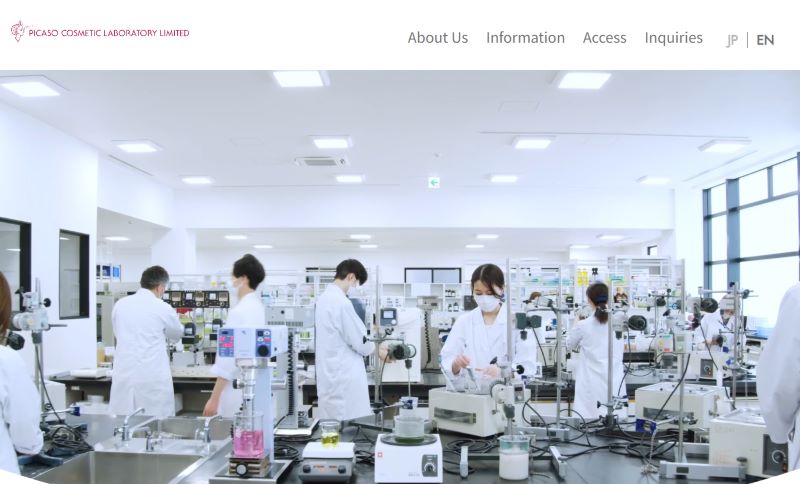
PICASO COSMETIC LABORATORY is a leading Japanese private label cosmetics manufacturer specializing in skincare products. Drawing on 200,000 formulation data points*1 and over 72 patented ingredients*2, PICASO proposes differentiated products focused on the skin-enhancing benefits associated with Japanese brands.
PICASO can develop ingredients derived from uniquely Japanese sustainable upcycled materials, as well as ingredients that leverage materials such as matcha and sake. The company offers end-to-end turnkey services, covering everything from ingredient selection through product storytelling designed with market communication in mind.
SOUTH KOREA
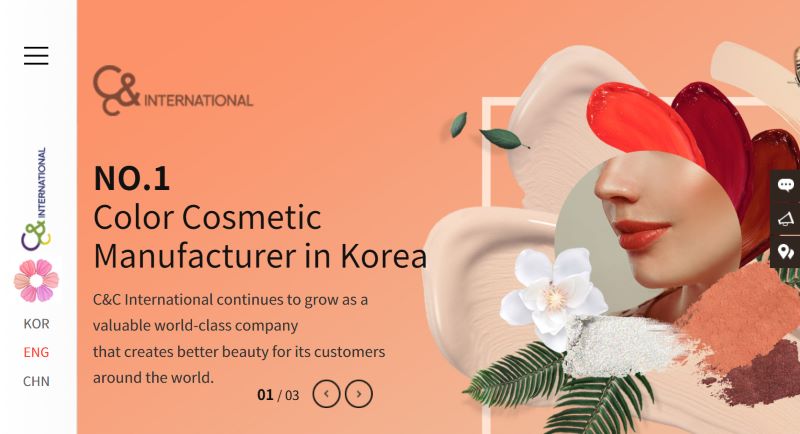
C&C International is a leading Korean cosmetics manufacturer for color cosmetics. The company creates new textures based on data accumulated through its leadership in K-beauty, combined with the development capabilities of its research team. C&C proposes products that anticipate upcoming trends.
Development With a prototyping system and production capability built on accumulated color and texture data, C&C can efficiently develop multi-color variations suited to diverse skin tones, as well as derivative lines featuring different textures.
ITALY
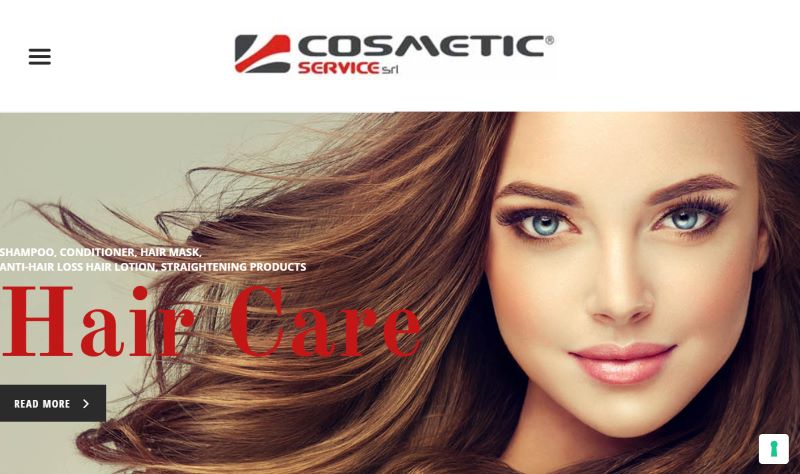
COSMETIC SERVICE is a full-service Italian private label cosmetics manufacturer specializing in hair care development. While meeting Italy’s high standards for organic practices and sustainability, the company designs formulations from the ground up, tailored to specific needs such as scalp care and damage repair.
COSMETIC SERVICE provides integrated support covering everything from container materials and graphic design to fragrance development. By integrating the brand’s world into the product’s appearance, texture, and scent, the company can create a memorable brand experience.