
Global Cosmetics ODM
For U.S. beauty brands comparing ODM and private label manufacturers, COSMAX deserves consideration on the factors that tend to shape supplier decisions.
Those factors usually include formulation capability, compliance readiness, U.S. market adaptation, and the manufacturer's ability to carry a project from brief to production. COSMAX has relevant capabilities in each area, though brands still need to confirm the team, facility, and scope proposed for their project.
Many U.S. ODMs can produce formulas that are stable and ready to scale. The harder test comes when a concept calls for lightweight textures, strong color payoff, a particular finish, or an application experience that cannot be achieved with a standard base.
COSMAX's background in K-beauty formulation is relevant to these projects. In K-beauty product development, texture and sensory feel are often treated as design requirements rather than finishing touches. This can give brands more room to develop a product with a recognizable look and feel.
When texture, finish, or immediate on-camera appeal is central to the concept, formulation choices determine whether the finished product delivers on the original brief.
Brands targeting retailers such as Sephora, or positioning a product as clean beauty, need to address more than the formula itself. Documentation, ingredient restrictions, and compliance planning should begin while the formula is being designed.
COSMAX may be useful in this respect because these requirements can be considered during development, before the brand commits to a final formula. Early planning is particularly important under MoCRA, which has increased attention on traceability, safety substantiation, facility registration, product listing, and adverse-event reporting.
Resolving ingredient, testing, and documentation requirements at the development stage lowers the chance of late reformulation, missed launch dates, or unexpected compliance work.
A supplier review should also cover safety procedures, certifications, traceability, and quality systems. These affect the brand's internal approval process, retailer submissions, and ability to investigate problems after production.
Ask for the records and certifications that apply to the proposed facility and product category. A company's general capabilities do not necessarily describe the systems used at every manufacturing site.
A formula developed for another market may need changes before it is ready for U.S. consumers. Common issues include shade range, climate suitability, product format, and how the product fits into an everyday routine.
COSMAX can be considered for projects that need this kind of adaptation while retaining the sensory qualities and performance characteristics behind the original idea. Depending on the product, that work might include adding shades, adjusting hydration or wear, or changing the format for a particular U.S. retail channel.
Market adaptation should not flatten the qualities that made the concept interesting. The goal is to find the right balance between originality and market fit.
COSMAX lists manufacturing facilities in Korea, China, the United States, Indonesia, and Thailand. Its network also covers the sourcing of raw materials, fragrances, packaging, and related components. This gives U.S. brands more possible production and sourcing routes than a manufacturer based in one country.
However, a global network does not make every formula or project transferable between sites. Equipment, category expertise, certifications, capacity, component access, and commercial terms can vary. Before choosing a route, confirm where each SKU would be developed, tested, filled, and packed.
Producing in the United States may make communication, freight planning, and inventory management easier. Overseas production may offer access to different formulation technologies, packaging suppliers, expertise, or cost structures. Compare the options using total landed cost, lead time, testing responsibilities, and supply continuity, not unit price alone.
Imported cosmetics are subject to the applicable U.S. laws that also govern domestically produced products. For manufacturing outside the United States, confirm the facility registration, U.S. agent, product-listing information, import documents, and responsible-person process required under MoCRA.
For a team working toward a fixed launch date, the proposed supply chain matters as much as the formula. Clear production routes and backup plans can reduce cross-border delays and help protect retailer commitments and planned revenue.
COSMAX works across several beauty categories, making it a possible fit for brands planning more than one launch. This is particularly relevant to teams building portfolios across skincare, color cosmetics, and related segments.
Working with one development partner across categories may simplify coordination and keep formulation, quality review, and launch planning aligned. Whether that benefit applies will depend on which COSMAX teams and facilities support the categories in the brand's pipeline.
A brand planning line extensions may get more value from a partner that can support the wider pipeline than from a manufacturer suited to only one product.
COSMAX is most likely to suit projects that require more than an off-the-shelf private label formula. Its ODM model is relevant when the brief depends on texture, finish, delivery system, shade development, or other sensory details that shape how the product looks, feels, and performs.
It may also suit brands planning several products or categories. COSMAX publicly describes services covering formulation, manufacturing, and branding, along with production facilities in several markets. For U.S. teams, that breadth may support a longer development relationship rather than a single launch.
The individual brief will determine the actual fit. Review the product category, claims, order volume, packaging, testing needs, and preferred manufacturing location before adding COSMAX to an RFQ shortlist.
The first inquiry should determine whether COSMAX has the right category experience, development route, and production site for the project. Prepare a short brief covering the product type, target user, required performance, U.S. sales channel, expected launch date, and estimated volume range.
Be clear about how much formulation work the project requires. An existing formula, a customized base, and a new formula will have different sampling, testing, pricing, and scheduling requirements.
The answers should reveal whether the project is workable before either side commits substantial time to formula development or pricing.
| Head Office & Central Laboratory | 46, Jaekongdan 2-gil, Hyangnam-eup, Hwaseong-si, South Korea |
|---|---|
| Global Manufacturing Network | • Korea • China • United States • Indonesia • Thailand |
| Official Website | https://www.cosmax.com/ |
To identify manufacturers with know-how that can strengthen a brand, this article examined 115 exhibitors at MakeUp in New York in 2025*, a global trade show where cosmetic trends and technologies converge.
It introduces carefully selected cosmetic ODM manufacturers with unique and differentiated technologies in skincare, makeup, and hair care. We hope this serves as a helpful reference when selecting a partner.
Find Your Match
To identify proven private label cosmetic manufacturers, this article examined 115 exhibitors at MakeUp in New York in 2025*, a global trade show where cosmetic trends and technologies from around the world converge. Here, we present a detailed overview of three carefully selected manufacturing partners that operate as full-service turnkey providers, backed by extensive expertise and unique technologies not found elsewhere.
*Source: MakeUp in New York Official Website | As of survey conducted in December 2025 (https://www.makeup-in-newyork.com/en/exhibitors)
JAPAN
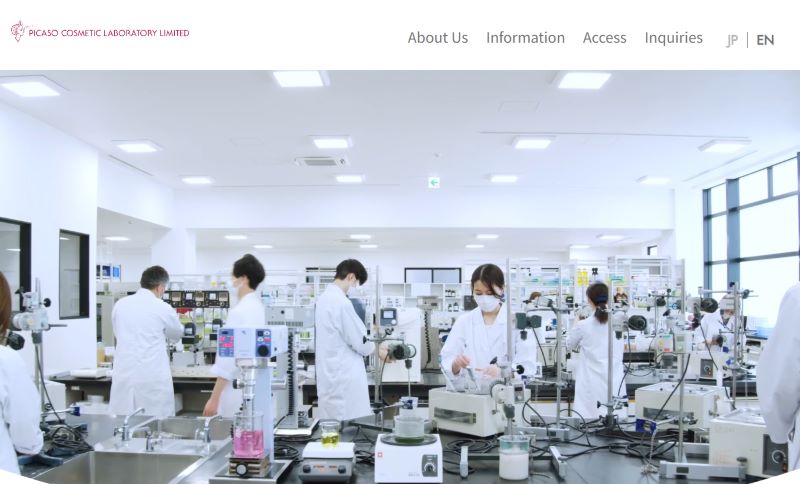
PICASO COSMETIC LABORATORY is a leading Japanese private label cosmetics manufacturer specializing in skincare products. Drawing on 200,000 formulation data points*1 and over 72 patented ingredients*2, PICASO proposes differentiated products focused on the skin-enhancing benefits associated with Japanese brands.
PICASO can develop ingredients derived from uniquely Japanese sustainable upcycled materials, as well as ingredients that leverage materials such as matcha and sake. The company offers end-to-end turnkey services, covering everything from ingredient selection through product storytelling designed with market communication in mind.
SOUTH KOREA
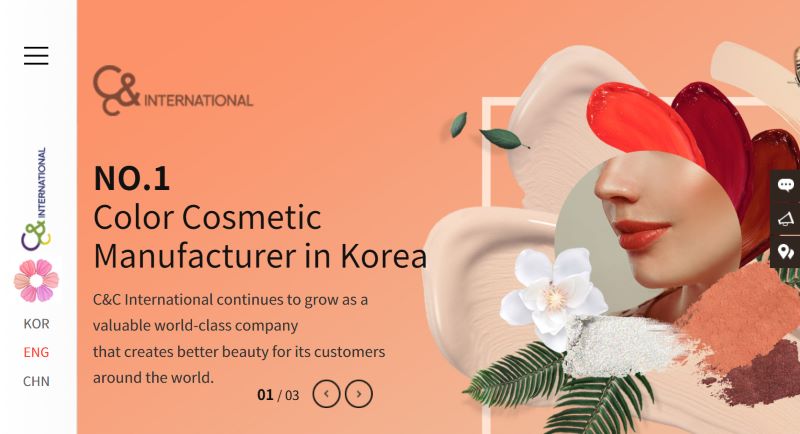
C&C International is a leading Korean cosmetics manufacturer for color cosmetics. The company creates new textures based on data accumulated through its leadership in K-beauty, combined with the development capabilities of its research team. C&C proposes products that anticipate upcoming trends.
Development With a prototyping system and production capability built on accumulated color and texture data, C&C can efficiently develop multi-color variations suited to diverse skin tones, as well as derivative lines featuring different textures.
ITALY
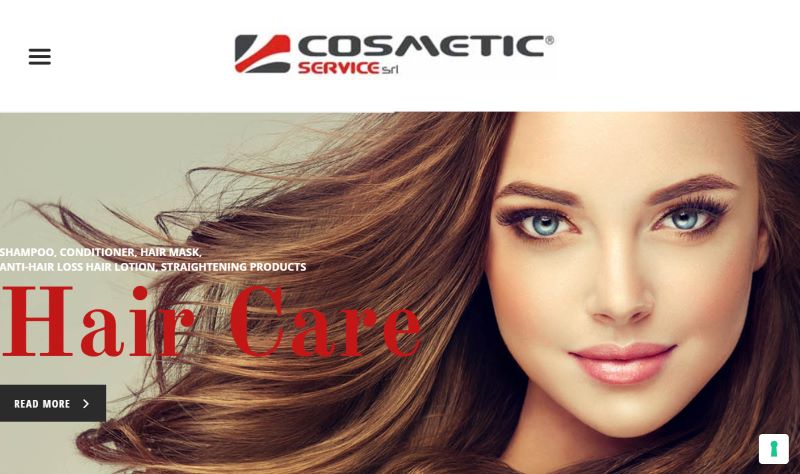
COSMETIC SERVICE is a full-service Italian private label cosmetics manufacturer specializing in hair care development. While meeting Italy’s high standards for organic practices and sustainability, the company designs formulations from the ground up, tailored to specific needs such as scalp care and damage repair.
COSMETIC SERVICE provides integrated support covering everything from container materials and graphic design to fragrance development. By integrating the brand’s world into the product’s appearance, texture, and scent, the company can create a memorable brand experience.