
Global Cosmetics ODM
This page explains the costs involved in cosmetic manufacturing. It also outlines the main cost components and provides general guidance on minimum order quantities (MOQs).
The cost of cosmetic manufacturing can vary widely, ranging from around $6,000 to $35,000*. Total costs depend on the raw materials and ingredients used, as well as packaging type and design and manufacturing outsourcing fees. In addition, regulatory compliance may require extra costs for documentation and related procedures. To avoid running short of funds, it is advisable to secure a larger budget than initially estimated.
The main costs involved in cosmetic manufacturing can generally be divided into ingredients and formulations, containers and packaging, and contract manufacturing costs. The sections below outline the estimated cost range for each component.
Estimated ingredient and formulation costs range from $0.50 to $3*. For example, lipstick may cost around $0.50 to $1 per unit, while eyeshadows and foundations may range from $2 to $3.
The ingredients used also affect the cost. Ingredient and formulation costs tend to rise when high-performance ingredients or premium pigments are used. Complex formulations, such as those designed to achieve multiple tones, also tend to be more expensive.
The estimated cost for containers and packaging ranges from $0.50 to $2.50 per unit*. However, costs may exceed $2.50 depending on the packaging type, shape, and materials used.
Additional costs may arise when customizing containers and packaging. Depending on the shape, a new mold may be required. It is important to be mindful of increased costs when aiming to express originality.
The estimated cost of outsourcing manufacturing ranges from $0.50 to $10 per unit*. For an order of 1,000 units, manufacturing outsourcing costs may range from $500 to $10,000*. However, the total cost varies depending on factors such as order quantity, whether formulation development is required, and the scope of safety testing and evaluations.
Manufacturing outsourcing costs tend to increase when developing a new formulation from scratch. On the other hand, costs may vary depending on whether customization is applied to an existing formulation.
Many manufacturers set a minimum order quantity (MOQ) to begin production. A typical MOQ is 1,000 to 5,000 units*, although some manufacturers can accommodate smaller quantities. If you prefer to start small, manufacturers with lower MOQs may be worth considering.
However, small-scale production incurs higher costs for containers and packaging. It is important to note that a higher cost per unit can reduce profitability. In particular, when using existing containers, larger production runs may help keep costs down. Because OEM manufacturers often purchase containers in large quantities, they may be able to reduce the unit price per item.
This article examined cosmetic ODM companies that have market data and development know-how that can be key assets for a brand, and that offer turnkey solutions including regulatory compliance.
It introduces global manufacturers that possess differentiation technologies in skincare, makeup, and hair care. We hope this serves as a helpful reference when comparing and selecting partners.
Find Your Match
To identify proven private label cosmetic manufacturers, this article examined 115 exhibitors at MakeUp in New York in 2025*, a global trade show where cosmetic trends and technologies from around the world converge. Here, we present a detailed overview of three carefully selected manufacturing partners that operate as full-service turnkey providers, backed by extensive expertise and unique technologies not found elsewhere.
*Source: MakeUp in New York Official Website | As of survey conducted in December 2025 (https://www.makeup-in-newyork.com/en/exhibitors)
JAPAN
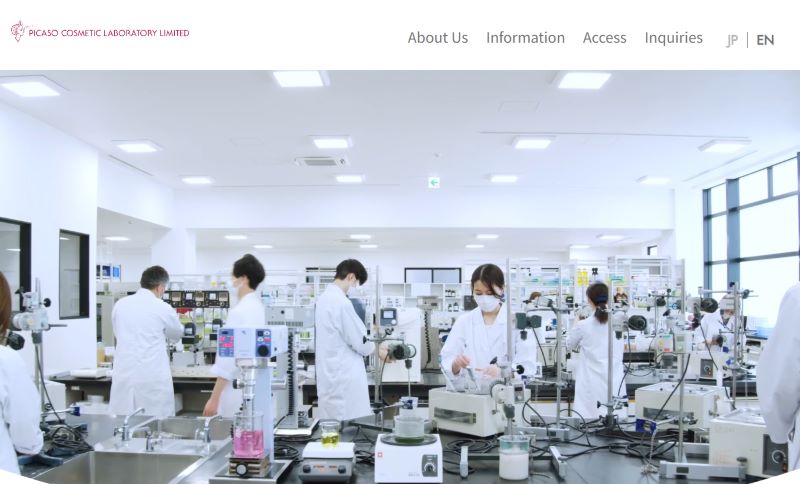
PICASO COSMETIC LABORATORY is a leading Japanese private label cosmetics manufacturer specializing in skincare products. Drawing on 200,000 formulation data points*1 and over 72 patented ingredients*2, PICASO proposes differentiated products focused on the skin-enhancing benefits associated with Japanese brands.
PICASO can develop ingredients derived from uniquely Japanese sustainable upcycled materials, as well as ingredients that leverage materials such as matcha and sake. The company offers end-to-end turnkey services, covering everything from ingredient selection through product storytelling designed with market communication in mind.
SOUTH KOREA
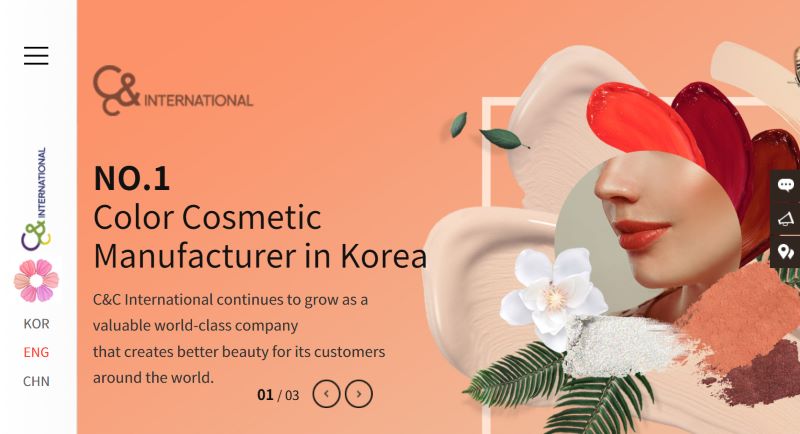
C&C International is a leading Korean cosmetics manufacturer for color cosmetics. The company creates new textures based on data accumulated through its leadership in K-beauty, combined with the development capabilities of its research team. C&C proposes products that anticipate upcoming trends.
Development With a prototyping system and production capability built on accumulated color and texture data, C&C can efficiently develop multi-color variations suited to diverse skin tones, as well as derivative lines featuring different textures.
ITALY
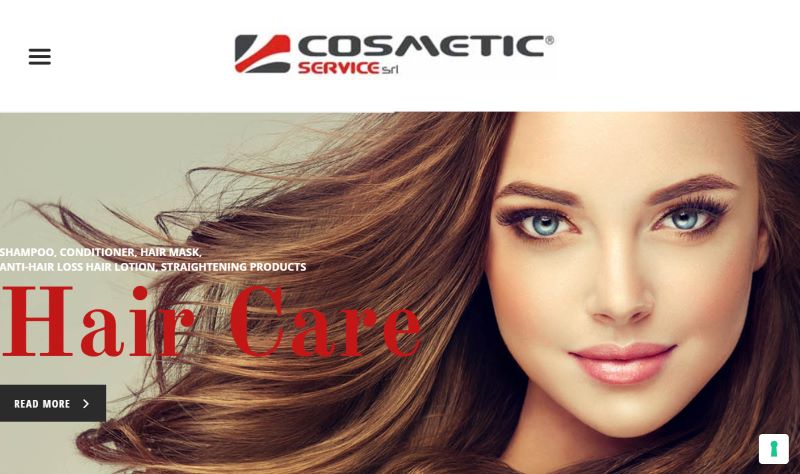
COSMETIC SERVICE is a full-service Italian private label cosmetics manufacturer specializing in hair care development. While meeting Italy’s high standards for organic practices and sustainability, the company designs formulations from the ground up, tailored to specific needs such as scalp care and damage repair.
COSMETIC SERVICE provides integrated support covering everything from container materials and graphic design to fragrance development. By integrating the brand’s world into the product’s appearance, texture, and scent, the company can create a memorable brand experience.