
Global Cosmetics ODM
This article summarizes how to choose a cosmetic ODM manufacturer, key comparison points, and the advantages and disadvantages of working with overseas manufacturers. It also introduces ODM manufacturers that support each product type.
When choosing a cosmetic ODM manufacturer, make sure to check its formulation capabilities, MOQ, and lead time. To create products that meet your needs, also be sure to verify the manufacturer’s track record in formulation development. It is important to compare and evaluate multiple manufacturers and identify a reliable partner you can confidently entrust with ODM.
| Item | U.S. Domestic Manufacturers | Overseas Manufacturers |
|---|---|---|
| Cost | Higher | Relatively lower |
| Communication | Smooth | Language and time-zone challenges |
| Regulatory Compliance | Well-versed in FDA standards | Track record for overseas markets should be verified |
| Lead time | Stable, slightly longer | Often faster |
| Small-lot support | May be limited | Many flexible companies |
Communication tends to be easier with U.S. domestic manufacturers, while overseas manufacturers may pose challenges due to language barriers and time-zone differences. Overseas manufacturers tend to be more flexible in terms of lead time and small-lot production. Choose a manufacturer based on your priorities.
Working with overseas manufacturers can make it easier to keep costs down. Many manufacturers are flexible with small-lot orders, and some can supply products with short lead times. Other advantages include formulation design that reflects market trends and the ability to choose from a wide range of packaging materials. This expands your product lineup and makes it easier to highlight your brand’s uniqueness.
Approaches to quality standards and regulatory compliance may differ between overseas manufacturers and U.S. domestic manufacturers. Because the ability to meet FDA requirements varies by manufacturer, it is important to verify each manufacturer’s track record for the U.S. market. In addition, it is important to consider the communication burden caused by time-zone and language differences. To select a reliable partner, it is essential to clarify specifications and thoroughly review samples.
This page lists manufacturers that support ODM for skincare products such as serums and creams. In addition to each manufacturer’s ODM features, it introduces the product categories you can request. We hope this serves as a helpful reference when considering ODM for skincare items.
Japan has many cosmetic ODM manufacturers that develop formulations under strict quality control. Among these manufacturers, this page lists those that support the development of skincare items. If you prioritize quality, consider consulting these manufacturers.
Makeup cosmetics, such as base makeup, are in demand across a wide range of age groups. The page below introduces manufacturers that support makeup ODM. Because some manufacturers can develop unique ingredients, it may be possible to launch distinctive products.
To avoid mistakes in cosmetic ODM, it is important to analyze market trends and needs and entrust production to a reliable manufacturer. It is also essential to secure funding for launching the brand and move the project forward in line with the roadmap.
When launching a skincare brand or line, it is important to clearly define who you want to reach and what you want to offer, and to identify areas where you can differentiate from competitors. It is also necessary to consider sales channels and promotional methods. The page below explains a roadmap for launching the brand and provides estimated startup costs.
Cosmetic manufacturing costs vary—for example, about $4 to $7 per unit for foundation, and $1 to $5 per ounce for skincare products. Costs vary by manufacturer, the ingredients used, product type, and order quantity. The minimum order quantity (MOQ) also varies. The page below explains the detailed cost breakdown and MOQ.
Cosmetic product development begins with market research to analyze trends and needs. Next, based on the research results, the target concept is defined, followed by ingredient selection and formulation development. The page below explains the development process in detail, including key points to keep in mind.
When exporting cosmetics from the United States to overseas markets, procedures may differ from those for domestic distribution. Because regulations vary by country, it is necessary to check banned ingredients, labeling requirements, and animal-testing rules. The page below explains key points for exporting and ways to reduce potential issues in detail.
Korean and Japanese skincare ODM manufacturers can differ in development approach, product iteration, quality control, and long-term production planning. This page compares both sourcing options and explains what U.S. brands should confirm about MOQ, testing, lead time, formula rights, and MoCRA support before choosing a manufacturing partner.
This article examined 115 exhibitors at MakeUp in New York in 2025*, a global trade show where cosmetic trends and technologies from around the world converge. It highlights three global ODM manufacturers selected to meet core needs in skincare, makeup, and hair care, and explains their advantages.
Find Your Match
To identify proven private label cosmetic manufacturers, this article examined 115 exhibitors at MakeUp in New York in 2025*, a global trade show where cosmetic trends and technologies from around the world converge. Here, we present a detailed overview of three carefully selected manufacturing partners that operate as full-service turnkey providers, backed by extensive expertise and unique technologies not found elsewhere.
*Source: MakeUp in New York Official Website | As of survey conducted in December 2025 (https://www.makeup-in-newyork.com/en/exhibitors)
JAPAN
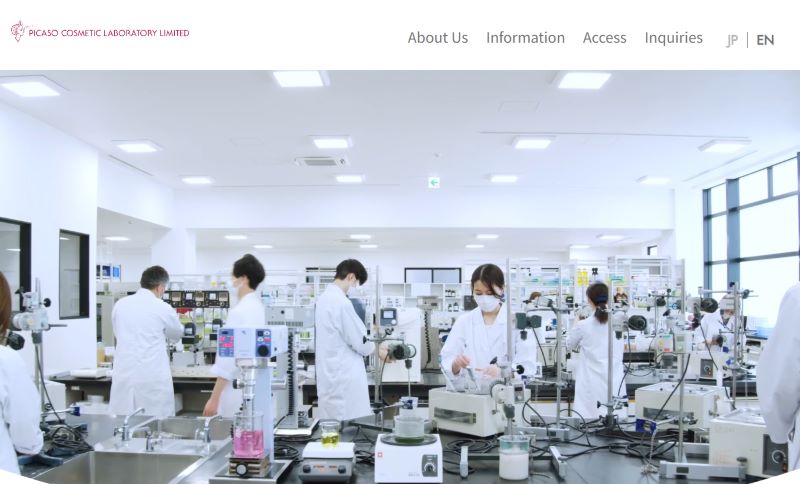
PICASO COSMETIC LABORATORY is a leading Japanese private label cosmetics manufacturer specializing in skincare products. Drawing on 200,000 formulation data points*1 and over 72 patented ingredients*2, PICASO proposes differentiated products focused on the skin-enhancing benefits associated with Japanese brands.
PICASO can develop ingredients derived from uniquely Japanese sustainable upcycled materials, as well as ingredients that leverage materials such as matcha and sake. The company offers end-to-end turnkey services, covering everything from ingredient selection through product storytelling designed with market communication in mind.
SOUTH KOREA
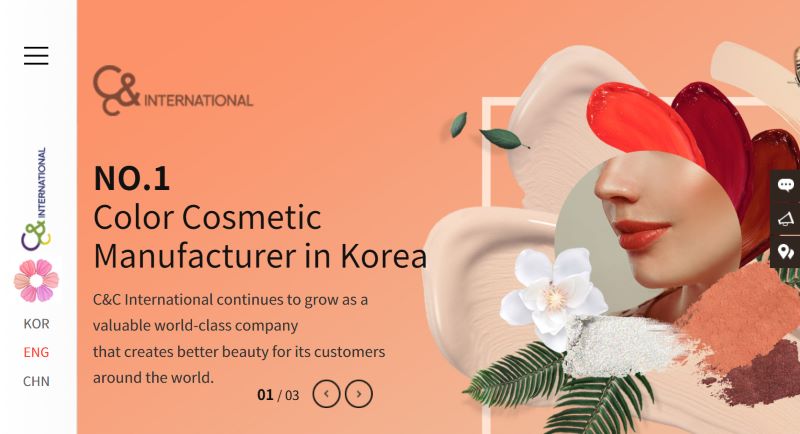
C&C International is a leading Korean cosmetics manufacturer for color cosmetics. The company creates new textures based on data accumulated through its leadership in K-beauty, combined with the development capabilities of its research team. C&C proposes products that anticipate upcoming trends.
Development With a prototyping system and production capability built on accumulated color and texture data, C&C can efficiently develop multi-color variations suited to diverse skin tones, as well as derivative lines featuring different textures.
ITALY
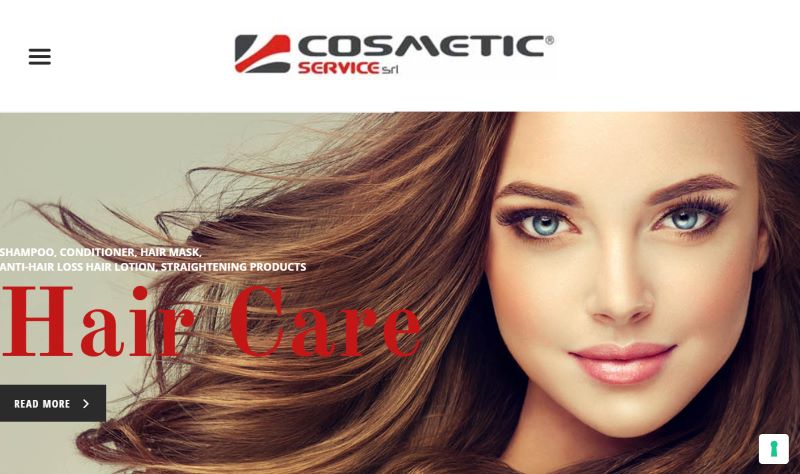
COSMETIC SERVICE is a full-service Italian private label cosmetics manufacturer specializing in hair care development. While meeting Italy’s high standards for organic practices and sustainability, the company designs formulations from the ground up, tailored to specific needs such as scalp care and damage repair.
COSMETIC SERVICE provides integrated support covering everything from container materials and graphic design to fragrance development. By integrating the brand’s world into the product’s appearance, texture, and scent, the company can create a memorable brand experience.